
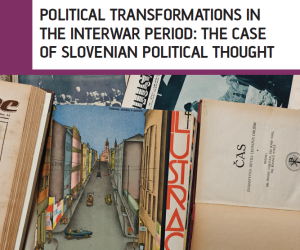
I am delighted to announce the publication of the open-access edited volume “Political Transformations in the Interwar Period: The Case of Slovenian Political Thought” prepared by my wonderful colleagues from Inštitut za novejšo zgodovino, Isidora Grubački and Marko Zajc. The conference is a product of an amazing workshop we had in Ljubljana in April 2024, and it includes very interesting contributions from dear colleagues and friends who have contextualized and brought to an English-speaking audience Slovenian political thought on topics of socialism, communism, feminism, republicanism, nationalism, and even physical exercise.
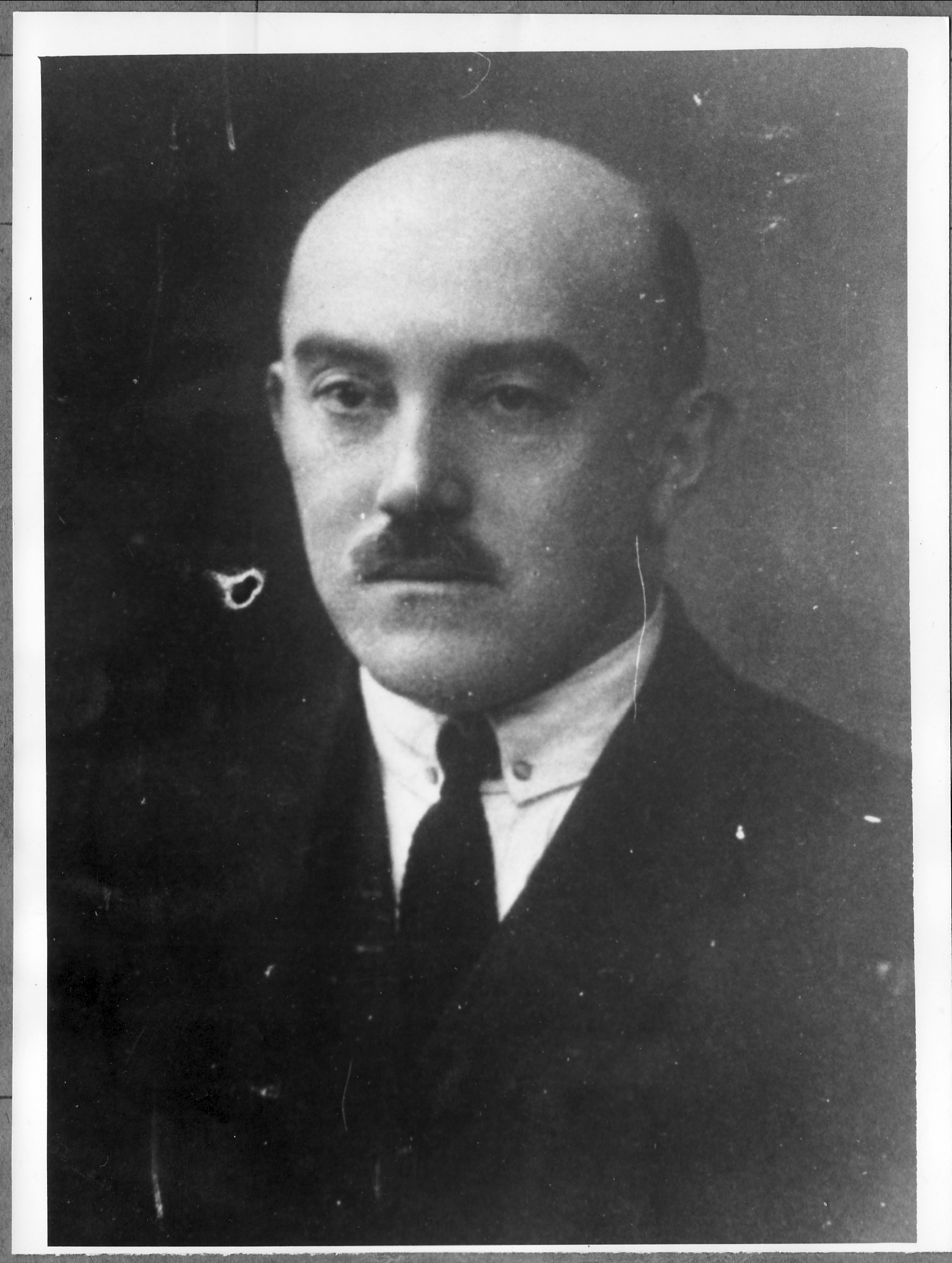
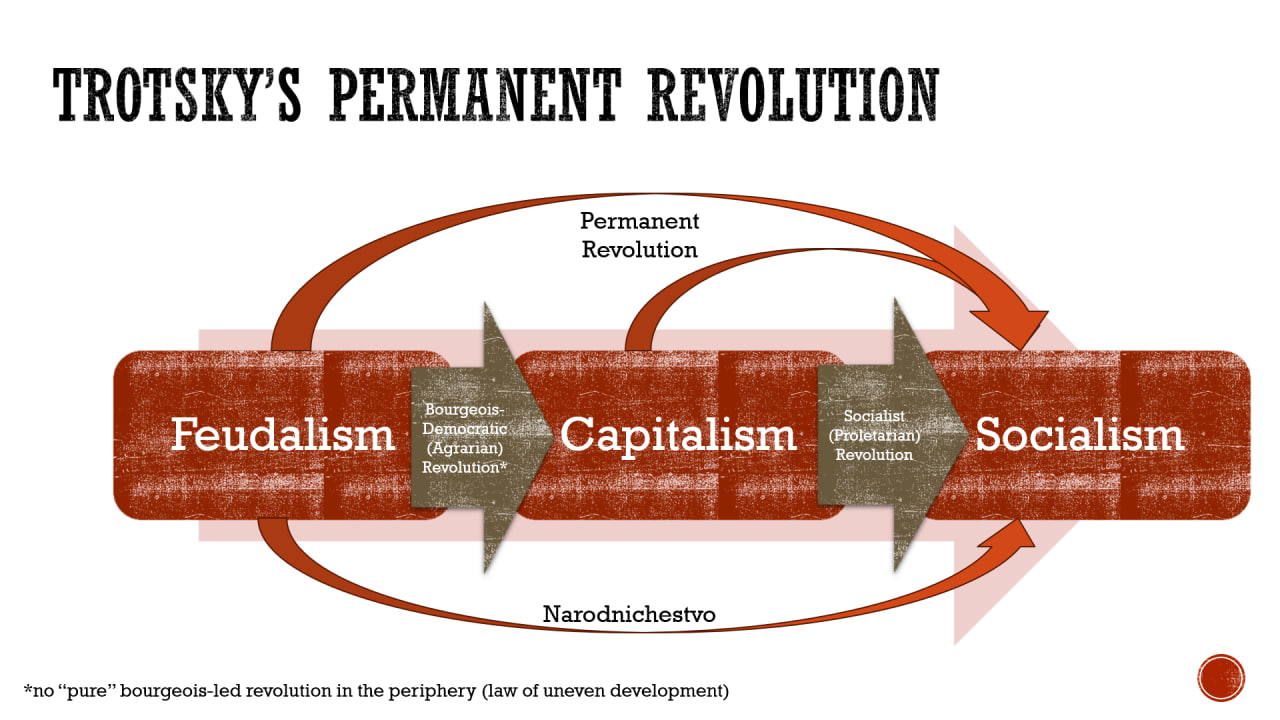
My own contribution is three texts from three interesting thinkers, each of them a maverick in his own way. The first one, Jože Srebrnič, wrote on the agrarian question and followed the “left communists” in the rejection of “Leninist” land redistribution, calling instead for full-on collectivization of agriculture in Italy, where he was politically active. His piece is also notable as a rare example of a Yugoslav communist explicitly defining “socialism” as a society without money and commodity production.
The second piece is from Dragotin Godina, the most eclectic and unusual of the trio. Like Srebrnič, Godina was a direct participant in the Russian Revolution, but he wrote the pamphlet published here in 1925, after he had already broken with communism. In his pamphlet, which served as a short ideological manifesto, he tried to establish an explicitly “idealist” (in the philosophical sense) socialism based on exchange cooperatives.
The third one, Albert Hlebec, usually only known (if mentioned at all) for his dramatic act of suicide in response to the Molotov-Ribbentrop Pact in 1939, is perhaps my personal favorite. He gave a speech at the Eighth Balkan Communist Conference in Moscow in 1928 on Slovenia as a “Macedonia in Europe,” trying to apply the analysis of left-wing Macedonian nationalists and communists onto his own country of origin. He argued that Slovenia was a “colony” torn apart between Belgrade, Rome, and Vienna, and that its “national-revolutionary” movement would therefore play a key role in Slovenia’s future proletarian revolution.
The book is available for download in PDF here.